5G Antenna Solutions Explained: A Simple Guide for Beginners
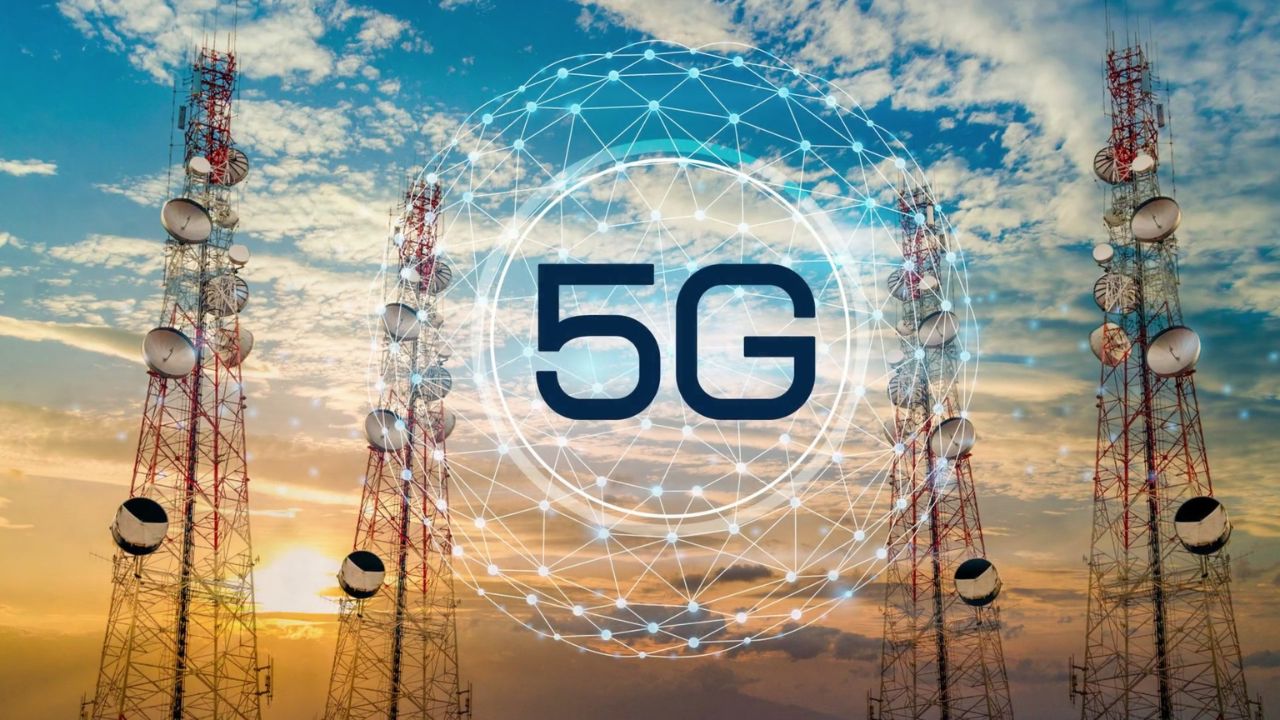
The 5G antenna solutions are a major component of the modern wireless communication system as it allows faster data speeds, reduced latency, and more stable connections compared to the previous generations. Antennas are an important aspect of linking devices in the world, as 5G networks keep growing all over the world. The concept can be complex at first, but the basic idea is simple, and that is, the antennas are the ones that send and receive wireless signals that power communication. In the example of such companies as BAT WIRELESS, 5G antennas are planned to be designed to support a wide variety of applications, spanning urban infrastructure to remote industrial applications.
How 5G Antennas Work
The 5G antenna works by transforming electrical signals into radio waves and vice versa. These are the signals that fly in the air to enable the devices to be linked to the nearby network towers. The difference between 5G antennas and older technologies is that the former can support significantly higher frequencies and larger amounts of data.
In contrast to the 4G system, the 5G antennas frequently have several frequency bands. This gives them the ability to operate in a wide range of networks, and this provides them with better coverage as well as stronger connectivity, even in crowded or challenging networks. To get started, it is useful to appreciate the fact that higher frequency signals are usually faster but may have to use more antennas in order to cover the same amount of space.
Types of 5G Antenna Solutions
There are several types of 5G antenna solutions, each of which is intended to be used in a particular situation. A small number are small and are designed to be used in small devices, whereas others are large and designed to be used in outdoor base stations. Typical designs would be omnidirectional antennas that are used to transmit signals in all directions and directional antennas that are used to focus the signals in a specific direction so as to have better performance over long distances.
There also exist some advanced solutions that combine several technologies into one unit. This would be suitable in cars, tracking systems, and smart devices using GPS and cellular connectivity, for example, with just a single antenna, you have both GPS and cellular connectivity. We can make use of this integration with the aim of reducing the complexities entailed in the installations, and also increasing efficiency.
Importance of Multi-Band Support
The antenna systems of the modern 5G are typically constructed with a multi-band capability, i.e., they can work at a great variety of frequencies. This is particularly critical since various countries and network providers operate at different frequency bands of 5G services.
The use of multi-band antennas ensures that devices can be connected irrespective of their locations. They also make system design simpler since a single antenna can be used to substitute a number of single-band units. This flexibility ensures that it is particularly useful in the implementation of global IoT, transportation systems, and cross-border communication networks.
Durability and Environmental Performance
Outdoor and industrial applications of 5G antennas are common in harsh conditions that outdoor and industrial environments may have. Consequently, the durability has become a significant consideration in the design of the antenna. To provide long-term reliability, many modern antennas are made using waterproof, dustproof, and corrosion-resistant materials.
It is also important that temperature resistance is maintained. The quality of the antennas is such that it is capable of working in extreme conditions, both in the cold and the boiling hot. This renders them applicable in the deserts, coastal areas, and industrial plants where the environmental pressure is usually high.
Installation and Practical Considerations
Installation is a significant component of the knowledge of 5G antenna systems for beginners. The correct positioning can have a great influence on the performance. The location of the antennas should be in areas where they are not physically obstructed, e.g., by buildings or large metal structures, which can block or weaken the signal.
Professional installation should be suggested in most cases to guarantee the best alignment and configuration. The angle, height, and direction of the antenna also affect signal strength and the quality of coverage.
Conclusion
The foundation of the next-generation wireless communication is 5G antenna solutions. They allow quicker and more robust connections that cater to everything between personal equipment and large-scale industrial systems. Being aware of their systems, types on the market, and the necessity to put them into the proper place, the novices can get a clear-cut beginning in this active technology. With the world becoming more and more integrated, 5G antennas will only continue to have a role in assisting to shape the future of communication networks.